The Symbolism Behind Easter Colors Meaning and Decorations
The Symbolism Behind Easter Colors and Decorations
Easter is rich with traditions, including the use of vibrant colors and meaningful decorations that reflect the story of Christ’s resurrection. Each color and symbol carries a deep spiritual significance, reminding us of God’s love, the triumph of Jesus, and the hope of new life. In this post, we’ll explore the symbolism behind traditional Easter colors and decorations, helping you connect these beautiful elements to the deeper meaning of the season.
Why Do Colors and Decorations Matter at Easter?
Colors and decorations are more than just festive—they’re visual reminders of the spiritual truths of Easter. They:
- Enhance Worship: Colors like purple and white reflect the tone of the season, from repentance to celebration.
- Symbolize Christ’s Journey: Each color represents an aspect of Jesus’ sacrifice and resurrection.
- Encourage Reflection: Decorations like crosses and lilies inspire us to meditate on the message of Easter.
The Symbolism of Easter Colors
Purple: The Color of Lent and Royalty
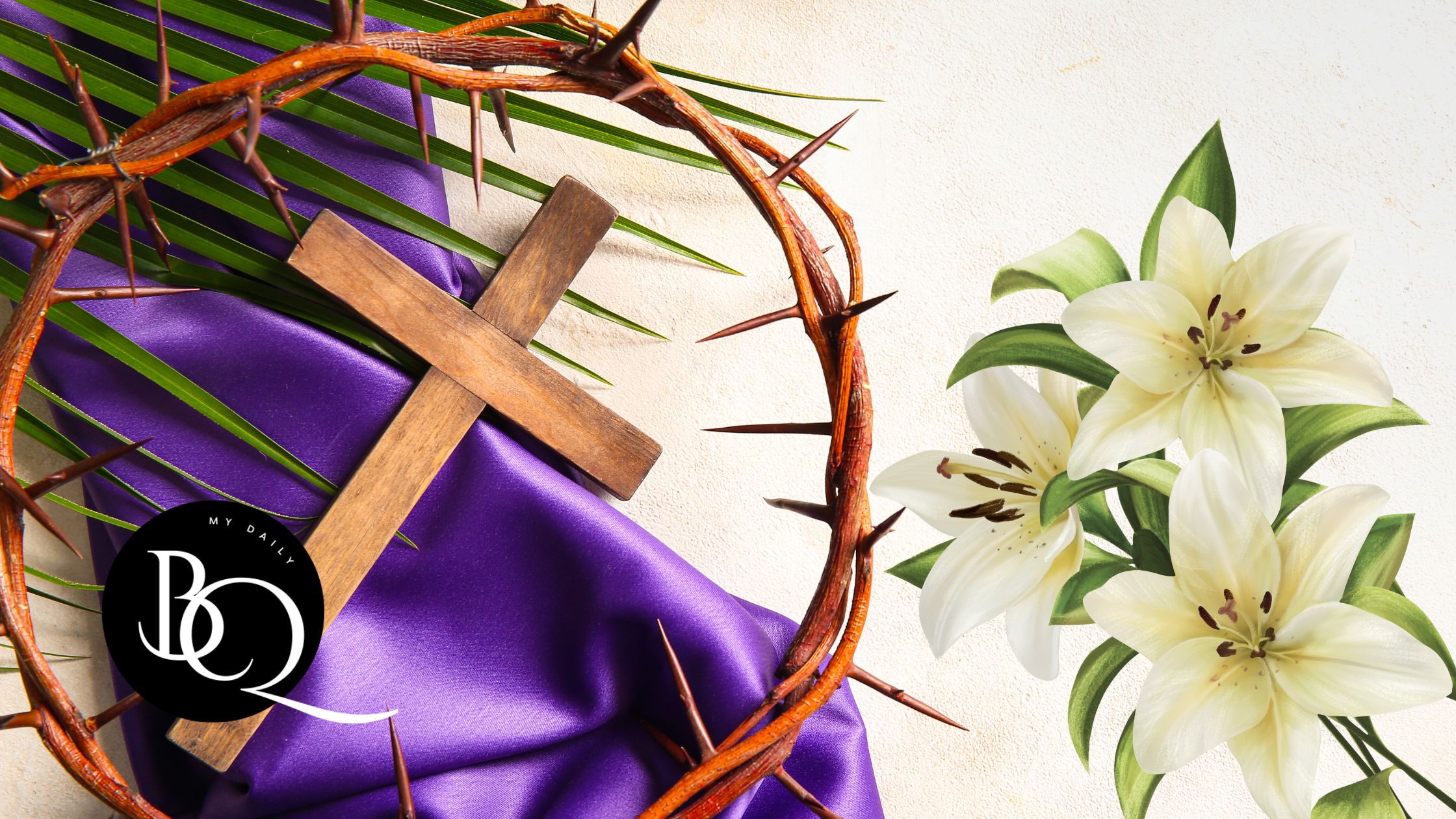
Purple is the primary color of Lent, symbolizing penance, preparation, and the kingship of Christ. It reminds us of the humility and sacrifice of Jesus as He journeyed to the cross.
Key Verse: John 19:2
“The soldiers twisted together a crown of thorns and put it on his head. They clothed him in a purple robe.”
How to Use It:
- Decorate with purple drapes on your cross or altar during Lent.
- Reflect on Christ’s sacrifice and His role as our King.
White: Purity and Resurrection
White is the color of Easter Sunday, symbolizing purity, joy, and the resurrection of Christ. It represents the triumph of light over darkness and the new life we have through Jesus.
Key Verse: Matthew 28:3
“His appearance was like lightning, and his clothes were white as snow.”
How to Use It:
- Adorn your home or church with white lilies, a traditional Easter flower.
- Use white candles to symbolize the light of Christ.
Gold: The Glory of God
Gold represents the glory and divinity of Jesus, celebrating His victory over sin and death. It’s often used in combination with white on Easter Sunday to reflect the joy and majesty of the resurrection.
Key Verse: Revelation 1:13
“And among the lampstands was someone like a son of man, dressed in a robe reaching down to his feet and with a golden sash around his chest.”
How to Use It:
- Incorporate gold accents into your Easter decorations, such as table settings or candles.
- Reflect on the majesty and power of God through this royal color.
Green: New Life and Renewal
Green symbolizes growth, renewal, and the promise of eternal life. It’s a reminder of the hope we have in Christ and the new beginnings offered through His resurrection.
Key Verse: 2 Corinthians 5:17
“Therefore, if anyone is in Christ, the new creation has come: The old has gone, the new is here!”
How to Use It:
- Use greenery and plants to decorate your home or church.
- Reflect on God’s promise of renewal and growth in your life.
The Meaning Behind Easter Decorations
Crosses
The cross is the central symbol of Easter, representing Jesus’ sacrifice and victory over sin.
Ways to Use It:
- Display a cross adorned with purple or white fabric during Lent and Easter.
- Reflect on the significance of the cross in your personal faith journey.
White Lilies
Known as the “Easter flower,” white lilies symbolize purity, hope, and the resurrection of Jesus.
How to Use Them:
- Arrange lilies on your altar, table, or porch.
- Share their meaning with family members as part of your Easter celebration.
Easter Eggs
Easter eggs symbolize new life and the empty tomb of Jesus. While often associated with secular traditions, they carry rich Christian meaning.
How to Use Them:
- Decorate eggs with Scripture or Christian symbols.
- Incorporate an Easter egg hunt as a way to share the story of the resurrection with children.
Butterflies
Butterflies represent transformation and new life, reflecting the resurrection of Jesus.
How to Use Them:
- Include butterfly decorations in your home or church.
- Reflect on your own spiritual renewal in Christ.
How to Incorporate These Symbols in Your Celebration
- Decorate Thoughtfully: Choose colors and decorations that reflect the meaning of Easter.
- Share the Symbolism: Explain the significance of these elements to family and friends during your celebrations.
- Reflect on Their Meaning: Use decorations as a visual reminder to meditate on Christ’s sacrifice and resurrection.
Related Resources
For more insights and ideas for Easter, check out these posts:
- The Meaning of Holy Week: A Day-by-Day Guide
- The Story of Easter: Bible Verses to Read With Your Family
- How to Host a Christ-Centered Easter Celebration
Final Thoughts
Easter colors and decorations are more than just beautiful—they’re a way to connect deeper with the message of Christ’s resurrection. By understanding their symbolism, we can celebrate Easter with greater meaning and joy, honoring the incredible gift of new life in Jesus.
What Easter colors or decorations hold special meaning for you? Share your thoughts in the comments—I’d love to hear how you celebrate this sacred season!