
What Is Lent? A Beginner’s Guide to Observing Lent
What Is Lent? A Beginner’s Guide to Observing Lent
If you’ve ever heard people talk about Lent but weren’t sure what it is or how to observe it, you’re not alone. Lent is a significant season in the Christian calendar, but it can feel a little mysterious if you’re new to it. The good news? Lent is an invitation to slow down, reflect, and draw closer to God, and it’s something anyone can participate in. So in this beginner’s guide to Lent, I’ll break down what Lent is, its traditions, and some simple ways you can observe it. Let’s explore how this meaningful season can enrich your faith journey.
What Is Lent?
Lent is a 40-day period of fasting, prayer, and reflection leading up to Easter Sunday. It commemorates the 40 days Jesus spent fasting in the wilderness, as described in Matthew 4:1-2. For Christians, Lent is a time to prepare their hearts for Easter by focusing on repentance, self-discipline, and spiritual growth.
Key Verse: Matthew 4:1-2
“Then Jesus was led by the Spirit into the wilderness to be tempted by the devil. After fasting forty days and forty nights, he was hungry.”
When Does Lent Begin and End?
Lent begins on Ash Wednesday and lasts for 40 days, not including Sundays. The season ends on Holy Saturday, the day before Easter Sunday.
Important Dates for Lent:
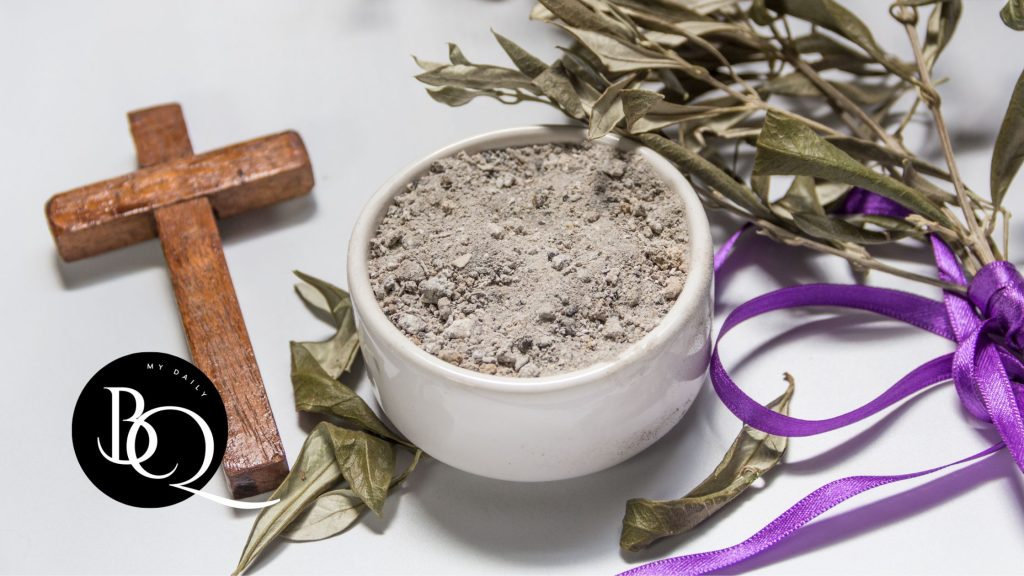
- Ash Wednesday: Marks the start of Lent and is often observed with a service where ashes are placed on the forehead in the shape of a cross.
- Palm Sunday: Celebrates Jesus’ triumphal entry into Jerusalem and the start of Holy Week.
- Holy Week: Includes Maundy Thursday (commemorating the Last Supper), Good Friday (remembering Jesus’ crucifixion), and Holy Saturday.
Why Is Lent Important?
Lent is a time to:
- Reflect on Jesus’ sacrifice and what it means for your life.
- Repent and draw closer to God.
- Prepare your heart for the joy of Easter and the celebration of Jesus’ resurrection.
For many, it’s a season of spiritual renewal and a way to grow deeper in their faith.
How to Observe Lent
1. Fasting and Giving Something Up
One of the most well-known traditions of Lent is fasting or giving something up. This practice mirrors Jesus’ fasting in the wilderness and helps us practice self-discipline.
Common Lenten sacrifices include:
- Food (e.g., sweets, meat, or a favorite snack)
- Social media or TV
- A personal habit that distracts you from God
Key Verse: Joel 2:12
“Even now,” declares the Lord, “return to me with all your heart, with fasting and weeping and mourning.”
2. Adding Spiritual Practices
Instead of only giving something up, consider adding a meaningful practice to your daily routine:
- Prayer: Spend dedicated time in prayer each day.
- Bible Reading: Focus on Scriptures related to Jesus’ journey to the cross.
- Acts of Kindness: Use Lent as an opportunity to serve others and show God’s love.
3. Attending Lenten Services
Many churches hold special services during Lent, including:
- Ash Wednesday: A reflective service marking the start of Lent.
- Holy Week Services: Including Maundy Thursday, Good Friday, and Easter Vigil.
Attending these services can help you stay focused on the meaning of Lent.
A Beginner’s Tip: Start Small and Be Intentional
If you’re new to observing Lent, don’t feel pressured to do everything at once. Start with one practice—like fasting from a favorite treat or spending extra time in prayer—and build from there. The goal is to draw closer to God, not to overwhelm yourself.
Related Resources
If you’d like to deepen your understanding of Lent and make the season more meaningful, check out these related posts:
- 40 Bible Verses to Reflect on During Lent
- Prayers for Fasting and Reflection
- Ideas for a Meaningful Lent Journey With Your Family
These posts offer additional inspiration and tools to help you engage with Lent fully.
Lent is a season of reflection, renewal, and preparation. Whether you’re giving something up, adding a spiritual practice, or simply taking time to reflect, the heart of Lent is about drawing closer to God and preparing your heart for Easter.
Are you observing Lent this year? Let me know in the comments, or share your thoughts on how you make this season meaningful—I’d love to hear your ideas!