
How to Choose the Right Bible Translation for You
How to Choose the Right Bible Translation for You
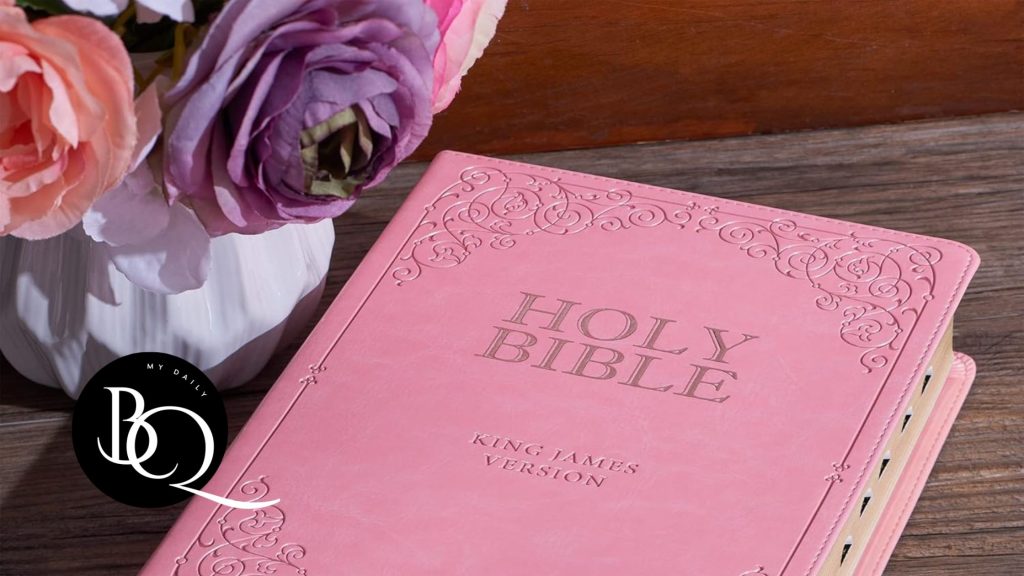
When I was a little girl growing up, the only Bible translation we used was the King James Version (KJV). It was the version we read at church, in school, and during family devotionals. Its beautiful, poetic language is still close to my heart today. However, as I’ve grown in my faith and reading habits, I’ve added other translations to my study tools. One of my favorites now is the NIV Woman’s Study Bible. It offers insights that feel personal and relevant while still being rooted in Scripture. So if you’re feeling unsure about which translation to choose, don’t worry—I’ve been there too. This guide on choosing the right Bible translation will help you understand the differences and choose the translation that best fits your needs.
Why Are There Different Bible Translations?
Bible translations exist because languages evolve, and translators aim to make Scripture accessible to everyone. While the original Bible was written in Hebrew, Aramaic, and Greek, modern translations focus on making these ancient texts understandable to readers today.
Translations vary based on two main factors:
- Accuracy to Original Texts: Some translations stick closely to the word-for-word meaning.
- Readability: Others focus on conveying the thoughts and ideas in a way that’s easier to understand.
Types of Bible Translations
1. Word-for-Word Translations
These prioritize staying true to the original texts, often at the expense of readability.
- Examples: King James Version (KJV), English Standard Version (ESV), New American Standard Bible (NASB)
- Best For: Deep study and understanding of Scripture.
2. Thought-for-Thought Translations
These focus on translating ideas rather than individual words, making them easier to read.
- Examples: New International Version (NIV), New Living Translation (NLT)
- Best For: Daily reading and personal devotion.
3. Paraphrased Translations
These offer a modern, conversational interpretation of Scripture.
- Examples: The Message (MSG), Good News Translation (GNT)
- Best For: New believers or those seeking a fresh perspective.
How to Choose the Right Bible Translation
1. Consider Your Goals
When choosing the right Bible translation, ask yourself:
- Do you want to study Scripture deeply?
- Are you looking for something easy to read daily?
- Do you need a Bible for personal devotion or group study?
2. Test Readability
Pick a few translations and read the same passage in each. For example, compare Psalm 23:1 in the KJV, NIV, and NLT. Which one resonates with you most?
3. Explore Study Bibles
If you enjoy context and commentary, consider a study Bible. I love my NIV Woman’s Study Bible for its insights and application tips.
4. Check Features
Some translations offer additional tools like:
- Concordances for word studies
- Cross-references for deeper exploration
- Maps, timelines, and devotional notes
Popular Bible Translations for Beginners
- King James Version (KJV): Classic and poetic, but may be harder to understand due to its older language.
- New International Version (NIV): A balance of accuracy and readability, perfect for daily use.
- New Living Translation (NLT): Great for a conversational tone and easy understanding.
- The Message (MSG): Modern and engaging for fresh perspectives.
My Recommendations
If you’re just starting out, I recommend:
- NIV: It’s accessible and easy to understand, making it a great choice for daily reading.
- NLT: Its conversational style feels approachable and comforting.
- KJV: If you want to connect with the Bible’s historical beauty and tradition.
How to Use Multiple Translations
Don’t feel like you have to stick to just one! Many people use multiple translations to deepen their understanding of Scripture. For example:
- Use the KJV for its poetic beauty.
- Read the NIV or NLT for clarity and application.
- Reference the ESV or NASB for in-depth study.
Additional Resources
- Read More: Check out my post, “Tips for Starting a Daily Bible Reading Habit,” for ideas on incorporating Scripture into your routine.
- Study Tools: Explore BibleGateway.com or the YouVersion app for side-by-side comparisons of translations.
- Memorization Tips: “10 Bible Verses for Beginners to Memorize” is a great resource to help you start hiding God’s Word in your heart.
Choosing the right Bible translation is all about discovering what speaks to you and helps you grow in your relationship with God. Don’t be afraid to explore different options and see what feels like the best fit. Remember, the goal isn’t just to read but to connect with God’s Word in a way that transforms your life.
Let me know what translation you’re using, or if you’re still deciding, feel free to ask questions in the comments below. I’d love to help!
Additional reading: Understanding the Bible for Beginners: A Complete Guide